A car that will not start after sitting a day or two is one of the most frustrating problems an owner can have. Sometimes the battery is simply old. But on some models, owners report brand-new batteries going flat again and again.
Where battery complaints cluster
We searched our complaint data for reports of batteries draining, dying or going dead. About 3,100 complaints matched across 69 popular models, and two models stand far above the rest:
| Model year | Battery drain complaints |
|---|---|
| 2013 Ford Edge | 303 |
| 2017 Subaru Outback | 147 |
| 2012 Ford Edge | 144 |
| 2016 Subaru Outback | 112 |
| 2020 Subaru Outback | 88 |
| 2018 Subaru Outback | 85 |
| 2019 Subaru Outback | 81 |
| 2017 Honda CR-V | 75 |
On the 2012-2014 Ford Edge, the cause is usually simple. A faulty door-ajar switch in the driver’s door latch tells the car a door is open, so the interior lights stay on and the car never goes to sleep. Owners describe dome lights that will not turn off, doors that will not lock and a dead battery the next morning. A new door latch fixes it. Ford’s Customer Satisfaction Program 19N09 extended coverage on the left front door latch for certain 2011-2014 Edges, so ask a Ford dealer to check the VIN before paying for the repair.
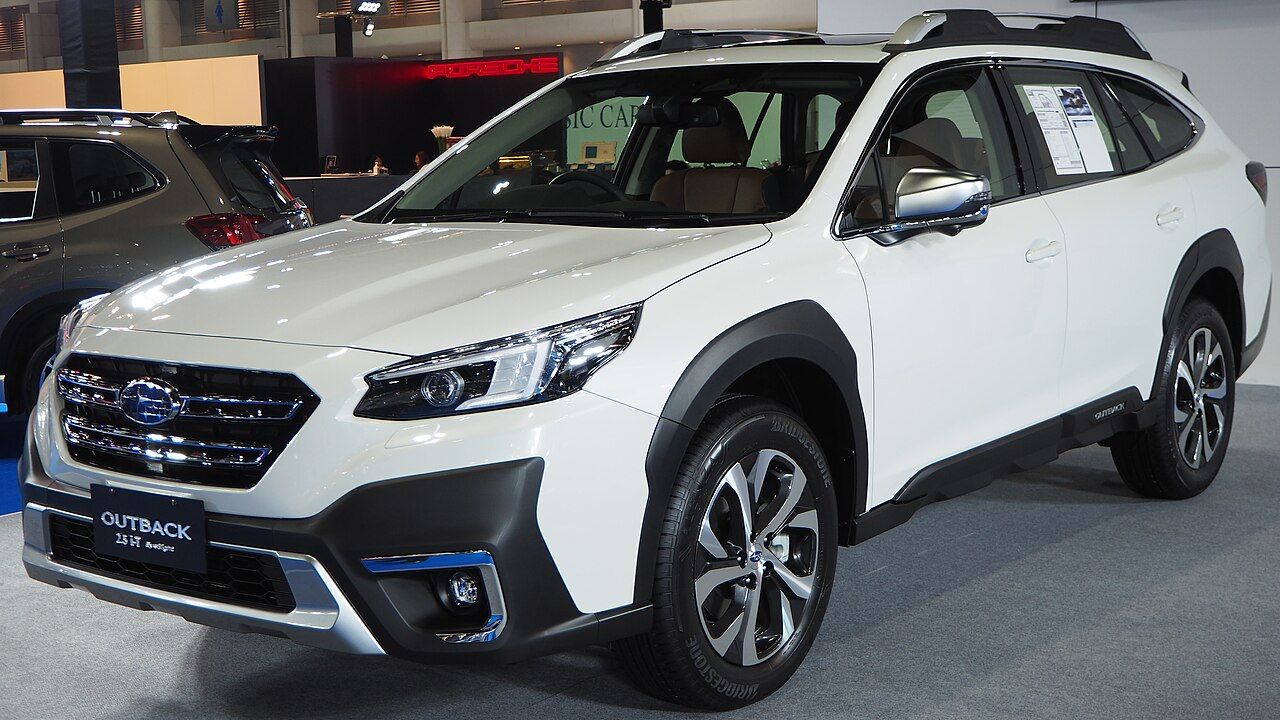
On the 2015-2020 Subaru Outback, the drain is harder to pin down. Owners described cars that would not start after a weekend parked, even with a new battery. A class action covered many of these cars, and Subaru released software updates and offered larger batteries on some.
Why batteries drain
A parked car still draws a small amount of power for the clock, alarm and keyless entry. Problems start when something stays awake that should go to sleep:
- A door or trunk switch that reads open, which keeps lights and modules on. This was the main issue on the Ford Edge.
- Modules that do not shut down, such as the infotainment or telematics unit. This was the main issue on affected Outbacks.
- A small factory battery with little margin, combined with lots of electronics.
- Short trips that never give the alternator time to recharge.
- Aftermarket add-ons like dash cams or remote starters wired to constant power.
- A failing alternator, which does not charge properly while driving.
How to test for it
A shop can measure parasitic draw with a meter after the car has been locked for about 30 to 60 minutes. A healthy car usually draws under 50 milliamps. Much more than that means something is staying awake. They can then pull fuses one at a time to find the circuit.
At home, a simple check is to note whether the battery dies faster after short trips than after a long drive, and whether it started after an accessory was added.
Fixes and costs
- Battery test and replacement: $150 to $300 for most cars. A larger battery, if it fits, gives more margin.
- Software updates for modules that stay awake: often free at a dealer, especially if a service bulletin applies.
- Alternator: $400 to $900.
- A battery maintainer for cars that sit for long periods: $30 to $60.
Buying a used car
Ask how old the battery is and whether it has been replaced more than once. On a 2015-2020 Outback, ask whether the dealer has done the battery and software updates. Leave the car locked for a few minutes during the inspection, then check it starts and all screens come on normally. Our Outback page shows which years drew the most battery complaints.
Questions
Can a dying battery damage the car? Repeated deep discharge shortens battery life and can cause odd electrical faults, but it rarely damages other parts.
Why does my car battery die in cold weather? Cold reduces a battery’s power and increases the power needed to start. An older battery that copes in summer can fail on the first cold morning.