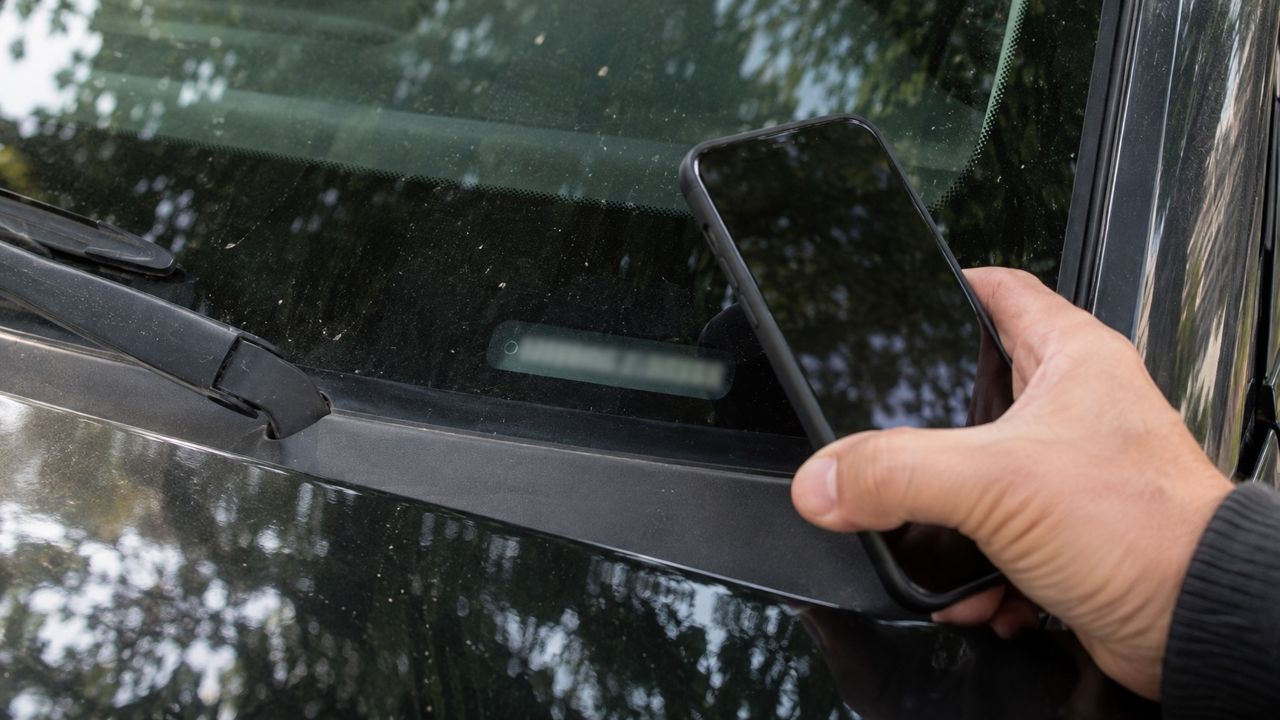
Millions of cars on U.S. roads have at least one safety recall that was never fixed. The repair is free, but only if someone gets it done. If you are buying a used car, checking for open recalls takes about two minutes and costs nothing.
Step 1: find the VIN
The vehicle identification number is a 17-character code made of letters and numbers. You can find it:
- On a small plate at the base of the windshield on the driver’s side, visible from outside.
- On the sticker inside the driver’s door frame.
- On the title, registration and insurance card.
- In the listing, for most dealer and many private sales.
Check that the VIN on the car matches the paperwork. A mismatch is a serious warning sign.
Step 2: run it on the federal lookup
Go to nhtsa.gov/recalls and enter the VIN. The search covers recalls from the last 15 years from all major carmakers. Most carmakers also have their own lookup on their website, which shows the same recalls and sometimes extra service campaigns.
You can also decode the VIN with our VIN decoder to confirm the exact year, model and engine before you look up that model on this site.
Step 3: read the result
- “0 unrepaired recalls”: either every recall on that car has been fixed, or it was never affected by any.
- “Recall incomplete”: the repair has not been done. The result names the problem, the risk and the fix.
- “Recall incomplete, remedy not yet available”: the carmaker has announced the recall but parts or a fix are not ready. See what that means.
Step 4: decide what to do
An open recall is not a reason to walk away. It is a reason to get the fix before you drive the car much, and sometimes a point in negotiation. For a few serious recalls, the carmaker warns owners not to drive the car or to park it outside until the repair is done, often because of fire risk. Read the notice carefully.
Getting the repair is simple: call any dealer for that brand, give the VIN and book the work. You do not need to be the original owner. See are car recalls free for details.
What the lookup does not show
The recall search covers only official safety recalls. It does not list:
- Common problems that never became a recall, like many transmission and oil consumption issues.
- Service bulletins and extended warranties, which carmakers use for known faults that are not safety defects. See recalls vs service bulletins.
- Accident or flood history, which comes from a vehicle history report.
Our model and year pages fill in the first gap by showing what owners actually complain about for each year.
Questions
How often should I check? At purchase, then once or twice a year. New recalls are announced every week, and mail does not always reach later owners.
Do recalls show up on a vehicle history report? Some reports include open recalls, but the federal lookup is the most direct source.