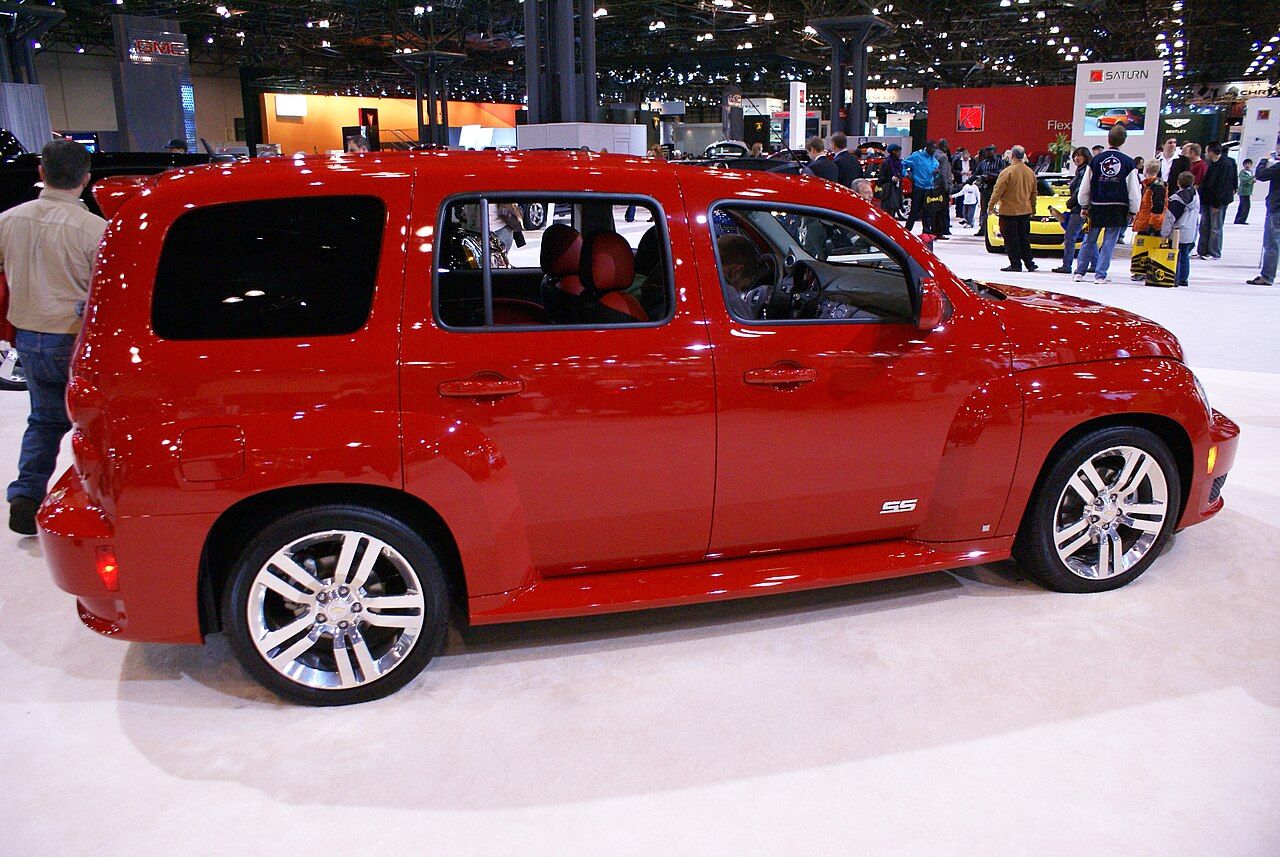
There is an old rule among mechanics: never buy the first year of a new model. We wanted to know if it still holds, so we checked it against owner complaint records for 29 of the most popular cars in America.
For each car, we found every full redesign from 2013 on, where the carmaker launched a new body, platform or powertrain, and compared the first model year with the two years that followed. To keep the comparison fair across cars that sell in very different numbers, we used complaints per 100,000 cars sold, not raw counts.
The short answer: yes, the rule holds
Of 40 redesigns we could measure, 35 first years drew more complaints per car than the two years after them. The typical first year had about 72 percent more complaints than its follow-up years. Only five first years did better than the years after.
The worst cases were not close:
| Redesign | First year | Complaints per 100k | Next two years | Gap |
|---|---|---|---|---|
| Ford Escape | 2020 | 1,031 | 274 | 3.8 times |
| Ford Explorer | 2020 | 554 | 170 | 3.3 times |
| Hyundai Tucson | 2016 | 1,812 | 607 | 3.0 times |
| Honda Pilot | 2016 | 1,430 | 508 | 2.8 times |
| Chevrolet Malibu | 2013 | 461 | 166 | 2.8 times |
| Honda Accord | 2018 | 692 | 250 | 2.8 times |
Each of these has a clear story. The 2016 Pilot introduced a new nine-speed automatic and stop-start system that owners said hesitated and stalled. The 2016 Tucson’s new dual-clutch transmission drew complaints about lurching and loss of power. The 2018 Accord’s new 1.5-liter turbo and driver-assist systems produced reports of fuel in the oil and braking for no reason. In almost every case, the second or third year had software fixes and revised parts already in place.
When the first year was fine
Five redesigns broke the rule: the 2020 Toyota Highlander, 2017 Mazda CX-5, 2016 Chevrolet Malibu, 2014 Subaru Forester and 2015 Subaru Outback. What they share is that the new model kept a proven engine and transmission from the car it replaced. The body and cabin were new, but the parts most likely to fail were not.
That is the most useful way to apply the rule. A first year with a carried-over engine and gearbox is a smaller gamble than one with a new turbo engine, new transmission or first-generation hybrid system.
Why first years have more trouble
New parts have not yet had millions of miles of real driving. Problems that never showed in testing, such as a seal that fails only after several cold winters or software that misreads a shadow as an obstacle, show up once hundreds of thousands of owners are on the road. The carmaker then changes the part or the software for later production, and often issues a recall or service bulletin for the cars already sold.
There is one caveat in our numbers. A first-year car is one or two years older than the years after it, so it has had a little more time to collect complaints. That accounts for some of the gap, but not a 72 percent difference. Most complaints arrive in the first three years of a car’s life, and the first-year spike usually shows up right away.
What this means if you are shopping
- Used: if the first year is cheaper, look at the second or third year instead. The price gap is often small, and you get the fixes.
- First year already in your driveway: check that every recall is done and ask the dealer about service bulletins for your car. Many fixes are free software updates.
- Buying new: if the model was just redesigned and uses a brand-new engine or transmission, waiting a year is the safer choice.
Every model page on this site shows complaints per 100,000 sold for each year, so you can see where a redesign spike happened. The compare years tool puts two years side by side.
Questions
Does this apply to a facelift? Usually less. A mid-cycle refresh mostly changes styling and features, not the engine or transmission. The exception is a refresh that brings a new transmission or engine, which carries the same risk as a redesign.
Is the second year always the best? Not always. Sometimes it takes two or three years for a problem to be fully fixed, as with the 2017 and 2018 Honda CR-V.
Which redesign was the safest bet? Among the cars we track, the 2020 Highlander and 2017 CX-5 both had fewer complaints in their first year than in the years that followed.