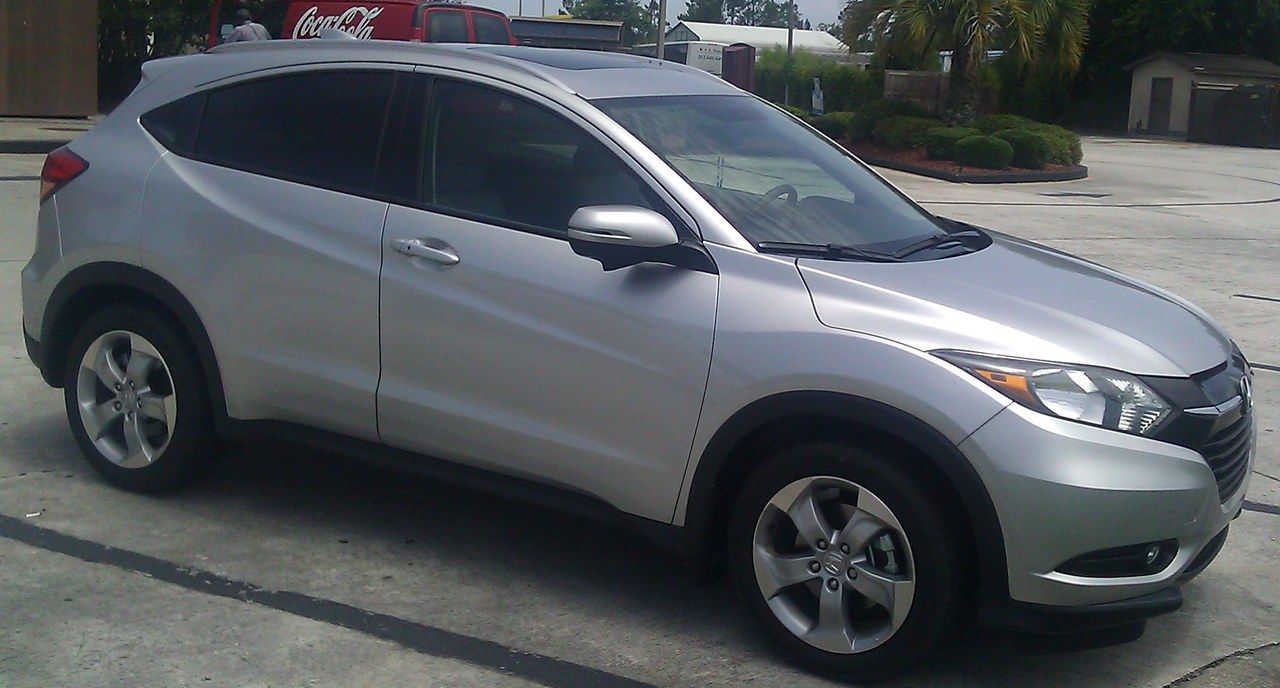
CVT and starting complaints in the first year
The 2016 HR-V has about 300 complaints per 100,000 sold, about twice the HR-V's average. CVT failures and push-button start problems lead.
Updated November 2026 · based on 243 owner complaints and 2 recalls
296 1.9x the HR-V average
2 free to fix at a dealer
Every HR-V year compared
Owner complaints per 100,000 cars sold. Lower is better. The newest years have had less time to collect complaints, so they are marked too new to judge.
Top problems and what they cost
CVT failure
Shudder, slipping or loss of drive.
Fix: CVT $3,500 to $5,000
Power train
Push-button start
The car will not start or turn off normally.
Fix: Diagnosis $100 to $300
Electrical system
Recalls
A reduction of braking performance increases the risk of a crash.
If the tire placard is missing the driver or owner may not know at what pressure to inflate the tires, resulting in over or under tire inflation which potent...
Complaints by part
Before you buy a 2016 Honda HR-V
- Accelerate gently from a stop and feel for shudder.A shudder feels like driving over rumble strips. It usually points to a worn torque converter or transmission, which can be expensive to fix.76 of the 243 owner complaints about the 2016 HR-V involve the transmission and drivetrain (31%).
- Start and stop the car several times.A test drive of at least 20 minutes, including a cold start, traffic and highway, gives known faults time to show up.
Questions
Is the 2016 Honda HR-V reliable?
CVT and starting complaints in the first year. The 2016 HR-V has about 300 complaints per 100,000 sold, about twice the HR-V's average. CVT failures and push-button start problems lead.
How many recalls does the 2016 Honda HR-V have?
2 recalls. Recall repairs are free at any Honda dealer, even for later owners. Enter the VIN on the free government recall lookup to see which are still open on a specific car.
What are the most common 2016 Honda HR-V problems?
CVT failure; Push-button start.
Crash rating shown for the 2016 Honda HR-V SUV AWD. Repair costs are typical U.S. ranges for parts and labor, not quotes. How we score.