Every engine uses a little oil. Burning a quart every few thousand miles is usually fine. Burning a quart every 1,000 miles or less is a problem. Left unchecked, it can starve the engine of oil, wear the timing chain and, in the worst cases, destroy the engine.
Where oil burning complaints cluster
About 2,100 complaints in our data mention oil consumption or burning oil. These model years drew the most:
| Model year | Oil burning complaints |
|---|---|
| 2013 Chevrolet Equinox | 158 |
| 2017 Hyundai Tucson | 143 |
| 2012 Chevrolet Equinox | 138 |
| 2017 Kia Sorento | 101 |
| 2016 Kia Sorento | 95 |
| 2016 Hyundai Tucson | 82 |
| 2014 Chevrolet Equinox | 67 |
| 2015 Chevrolet Equinox | 64 |
The Chevrolet Equinox 2.4
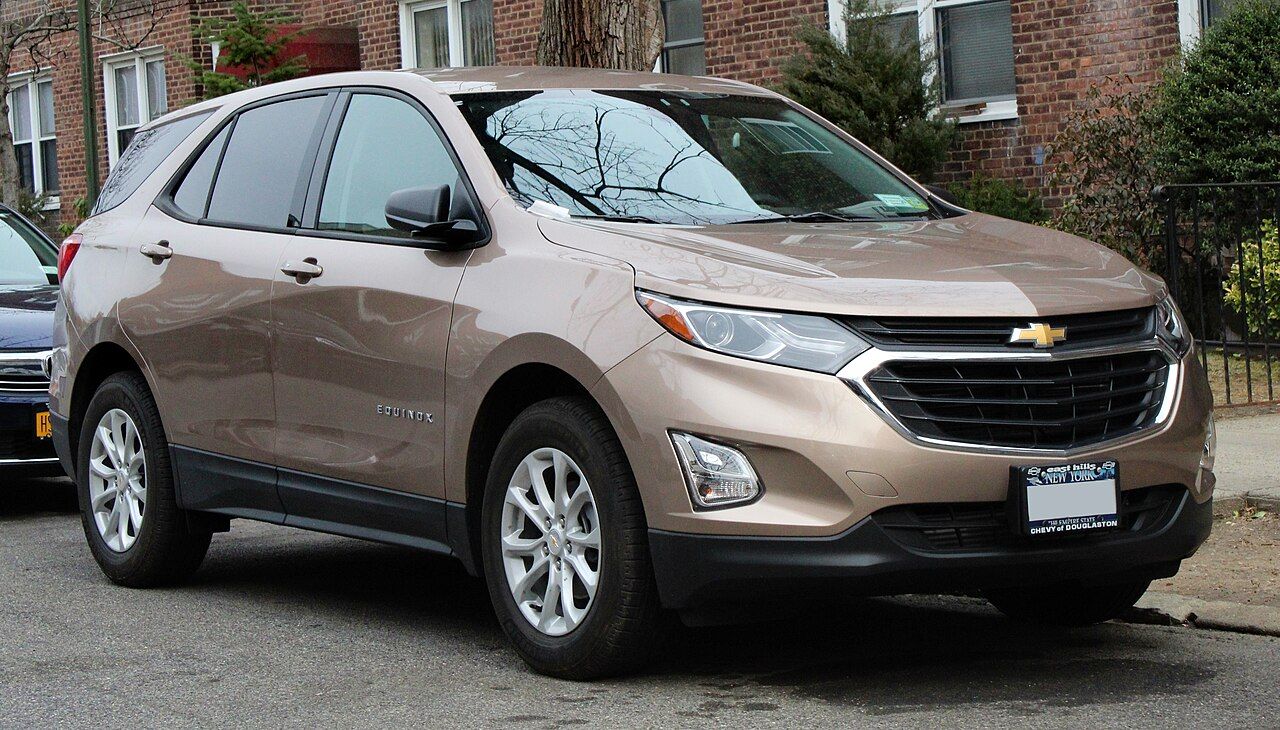
The 2010-2015 Equinox with the 2.4-liter engine is known for worn piston rings that let oil burn in the cylinders. Owners report low oil warnings between changes, timing chain rattle and check engine lights. GM extended coverage for the piston rings on many of these engines, but that coverage has expired on age for most cars. We rate the 2012 and 2013 as years to avoid on our Equinox page. A ring repair costs about $2,000 to $3,500, and a replacement engine $4,000 to $6,000.
Hyundai and Kia
Many 2011-2019 Hyundai and Kia models with the 2.0-liter and 2.4-liter engines had bearing problems that could cause knocking, oil burning and engine failure, sometimes with fires. Hyundai and Kia recalled hundreds of thousands of engines, installed knock sensor software and extended engine warranties on many cars. See Hyundai and Kia engine problems for which cars are covered.
Why engines burn oil
- Worn or sticking piston rings, often from deposits built up with long oil change intervals.
- Valve stem seals that harden with age, giving blue smoke at start.
- A clogged PCV system, which pushes oil into the intake.
- Bearing wear, on engines with that known defect.
How to test
Ask a dealer for an oil consumption test. They change the oil, mark the level and check it again after about 1,000 miles. Carmakers use this test to decide warranty claims. At home, check the dipstick every fill-up for a month and note how much you add.
Warning signs include blue smoke at start or under hard acceleration, a burning oil smell, oily spark plugs and a low oil light.
Buying a used car
Pull the dipstick before the test drive. Low or very dark oil on a car that was supposedly just serviced is a red flag. Ask for oil change records, and for an Equinox, Tucson or Sorento in the years above, ask whether the engine has been replaced or tested for consumption. A car with a new engine under warranty can be a better buy than one with the original.
Questions
Is it safe to keep topping up? Short term, yes, as long as you never let the level drop below the minimum. Long term, worsening consumption usually means a repair is coming.
Will thicker oil help? It can slow consumption a little but does not fix the cause, and it may not meet the carmaker’s specification.