Your brakes need help to stop a two-ton vehicle with normal foot pressure. That help comes from a brake booster, which uses engine vacuum or an electric pump to multiply the force of your foot. When the booster or its vacuum pump fails, the brakes still work, but the pedal turns hard and the car takes much longer to stop. Owners often describe it as pressing on a brick.
Across 69 popular models, about 1,900 owner complaints describe a hard or stiff brake pedal, a failed brake booster or a failed vacuum pump. A handful of models account for most of them.
Where hard pedal complaints cluster
| Model | Worst years | Cause | Recall or program |
|---|---|---|---|
| Ford Edge | 2012, 2013 | Brake booster | Check the VIN for open recalls |
| Chevrolet Silverado 1500 | 2014, 2015, 2016 | Brake vacuum pump | Recall 19V645 after a federal investigation |
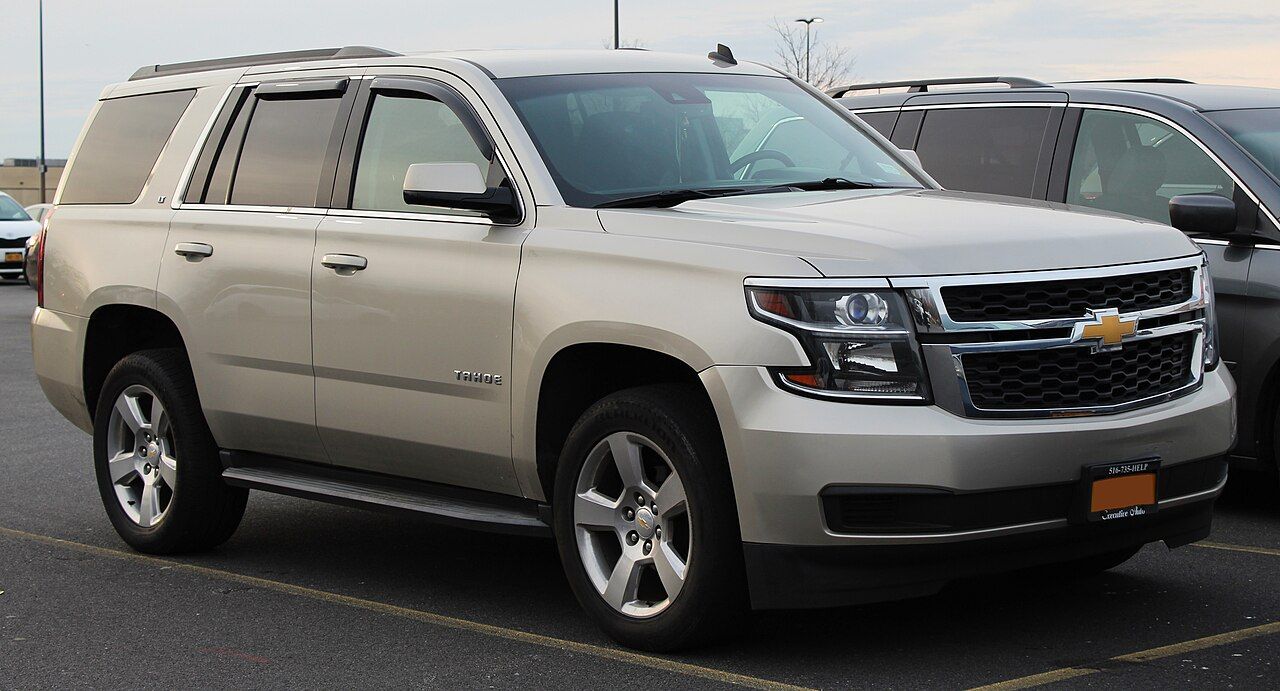
| Chevrolet Tahoe | 2015 | Brake vacuum pump | Recall 19V645 |
| Ford F-150 | 2012 to 2016 | Electric vacuum pump on EcoBoost trucks | Program 15N05 for 2011-2012 3.5L |
| Jeep Grand Cherokee | 2012 | Brake booster and related faults | |
| Mazda CX-9 | 2012 | Brake booster | Check the VIN for open recalls |
The 2013 Ford Edge drew 366 brake booster complaints, the most of any year we track, and the 2012 another 152. On the GM side, regulators opened an investigation in 2018 into sudden hard brake pedals on 2014-2016 Silverado and Sierra pickups and 2015-2016 Tahoe, Suburban, Yukon and Escalade SUVs. It ended with recall 19V645, which updated software so the brake system can make up for a weak vacuum pump. Ford extended coverage on the electric vacuum pump in 2011-2012 F-150s with the 3.5-liter EcoBoost under program 15N05, after its own federal review.
What it feels like
- A pedal that is much harder to press, especially at low speed or right after starting.
- Longer stops, even when you press hard.
- A hissing sound from under the dash when you press the pedal, a sign of a leaking booster.
- A brake warning light or a “Reduced brake assist” message on some vehicles.
A hard pedal is a safety problem. If the pedal goes hard while driving, press firmly and steadily, leave extra room and have the car checked before driving it further than necessary.
What it costs
Check for recalls first, because a recall repair is free at any dealer. Out of warranty, a brake booster costs about $600 to $1,200 installed. A vacuum pump on a truck or SUV runs about $500 to $900. A software update, where one exists, is usually inexpensive.
When buying a used car
- Run the VIN through the free federal recall lookup and confirm brake recalls were done.
- Press the pedal before starting the engine a few times until it is firm, then hold it and start the engine. The pedal should sink slightly as assist kicks in. If it does not move, the booster may not be working.
- Brake firmly at low speed in an empty lot, several times, and once right after a cold start.
- Listen for hissing under the dash while pressing the pedal.
Our used car check list builds a list for the exact car and year, including its recalls.
Questions
Is a hard pedal the same as a soft pedal? No. A soft or sinking pedal usually means a hydraulic problem, such as a fluid leak, air in the lines or a failing master cylinder. A hard pedal usually means lost brake assist. Both need prompt attention.
Can I keep driving with a hard brake pedal? The brakes still work, but stopping distances can grow a lot. Drive only as far as you need to get it repaired, and leave much more following distance.