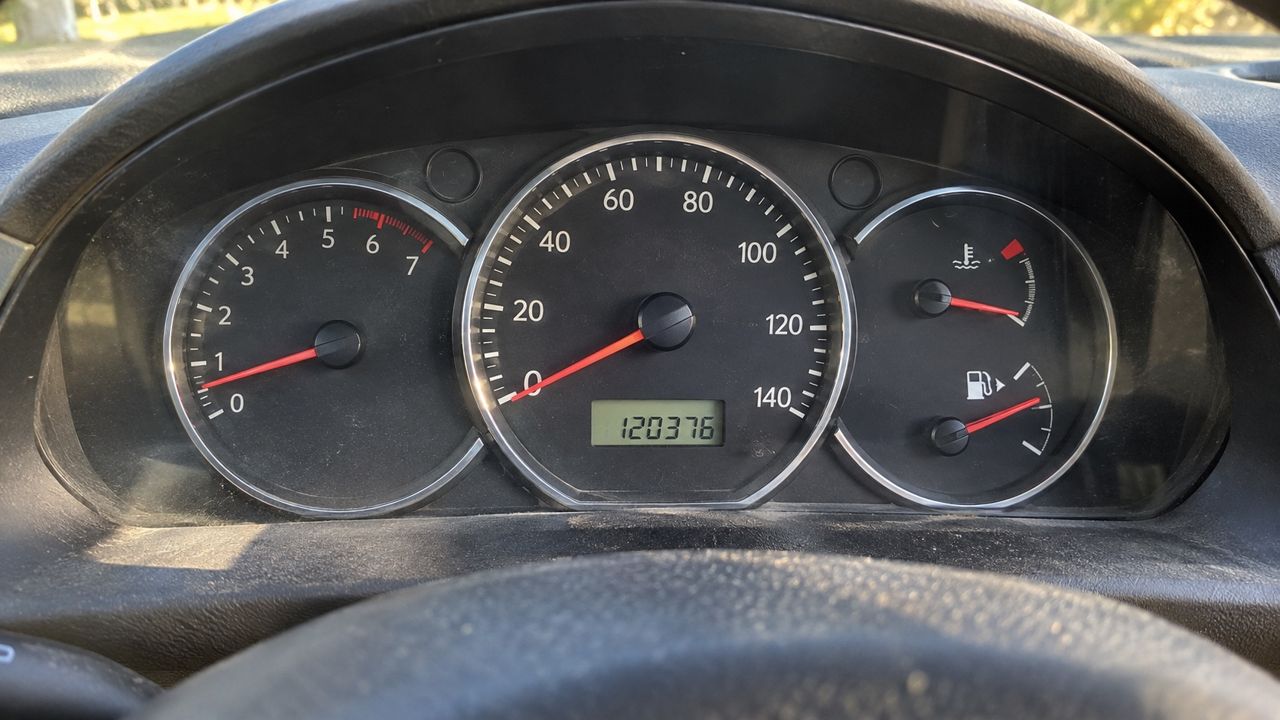
For decades, 100,000 miles was treated as the end of a car’s useful life. That is no longer true. Modern engines, better oils and rust protection mean many cars run well past 200,000 miles. Mileage still matters, but it is only one part of the picture.
What a normal number looks like
Americans drive about 12,000 to 14,000 miles a year on average. A five-year-old car with 60,000 to 70,000 miles is normal. Much less can mean a car that sat a lot, which is not always good: seals dry out, batteries die and short trips are hard on an engine. Much more usually means highway driving, which is easier on a car than the same miles in city traffic.
Things that matter more than the odometer
The model year. On our site, the same model can have five times the complaints per car in one year as another. A best-year car with 120,000 miles can be a safer buy than a known bad year with 60,000. Check the best years list before you narrow your search.
Maintenance records. Regular oil changes, transmission fluid service and timely repairs are the biggest predictor of a long life. A thick folder of receipts is worth more than low mileage with no history.
The known failure point. Some problems arrive at a predictable mileage. Many 2012-2016 Nissan CVTs failed around 80,000 to 120,000 miles. If a car is approaching a known failure point and the part is original, budget for it or look elsewhere.
Rust and climate. A car from a snowy state with salted roads can be worn out underneath at lower mileage than a sun-belt car with twice the miles.
Mileage milestones to know
- 60,000 to 100,000 miles: many cars need spark plugs, transmission fluid, coolant, brakes and sometimes a timing belt. Ask whether these were done.
- 100,000 to 150,000 miles: suspension parts, water pumps and wheel bearings often wear. Expect more repairs, but a solid car is far from finished.
- 150,000 miles and up: price matters most. Buy for a low price, with records, and keep a repair fund.
Rules of thumb
- Toyota and Honda trucks and SUVs with good records often pass 200,000 miles. Check our year pages for the exceptions.
- High-mileage turbo engines and dual-clutch or CVT transmissions deserve extra care and an inspection.
- Luxury cars can be cheap to buy at high mileage and very expensive to fix.
Questions
Is a high-mileage car with a replaced engine or transmission a good buy? It can be, if the work was done by a reputable shop with a warranty and receipts. The rest of the car still has its full mileage.
Does an odometer rollback still happen? Yes, especially with digital odometers. Compare the mileage with service records and the vehicle history report.