You do not need to be a mechanic to spot most warning signs on a used car. A careful 30-minute look and test drive will rule out many bad cars before you spend money on a professional inspection.
For a list built around one specific car, including its known problems and recalls, use our used car check list tool. The general checks below apply to any car.
Before you go
- Run the VIN on the federal recall lookup. See how to check recalls by VIN.
- Get a vehicle history report for accidents, flood damage, title brands and odometer records.
- Look up the year on our site to learn its common problems, so you know what to look for.
- Ask the seller to leave the engine cold before you arrive. Many problems only show at cold start.
Walk-around
- Panels and paint: uneven gaps between panels, mismatched color or paint overspray on rubber trim suggest accident repair.
- Tires: uneven wear points to alignment or suspension problems. Check the date code on the sidewall; tires older than six years need replacing.
- Glass: look along the edges of the windshield for cracks.
- Rust: check wheel arches, door bottoms, rocker panels and under the trunk mat.
- Lights: have someone confirm every light works, including brake lights and running lights.
Under the hood
- Oil: pull the dipstick. Very low, very dark, milky or gas-smelling oil is a warning.
- Coolant: the level should be between the marks. Oil in the coolant is a bad sign.
- Leaks: look for wet patches or fresh drips under the engine.
- Belts and hoses: look for cracks and fraying.
Inside
- Warning lights: turn the key to on. All dash lights should come on and then go out after start.
- Electronics: test the screen, every window, locks, mirrors, seat heaters and air conditioning.
- Smell: a musty or damp smell can mean water leaks or flood damage.
- Wear: heavy wear on the pedals or seat on a low-mileage car does not add up.
Test drive
- Cold start: listen for rattles or knocking in the first few seconds.
- Pull away gently and hard: feel for shudder, slipping or delayed engagement.
- Brake firmly from 40 mph: the car should stop straight with no grinding or pulsing.
- Highway speed: feel for vibration in the wheel or seat, and listen for humming.
- Steering: the wheel should be centered and return on its own after a turn.
- Reverse and park: check the camera and that the car holds on a slope in park.
Paid inspection
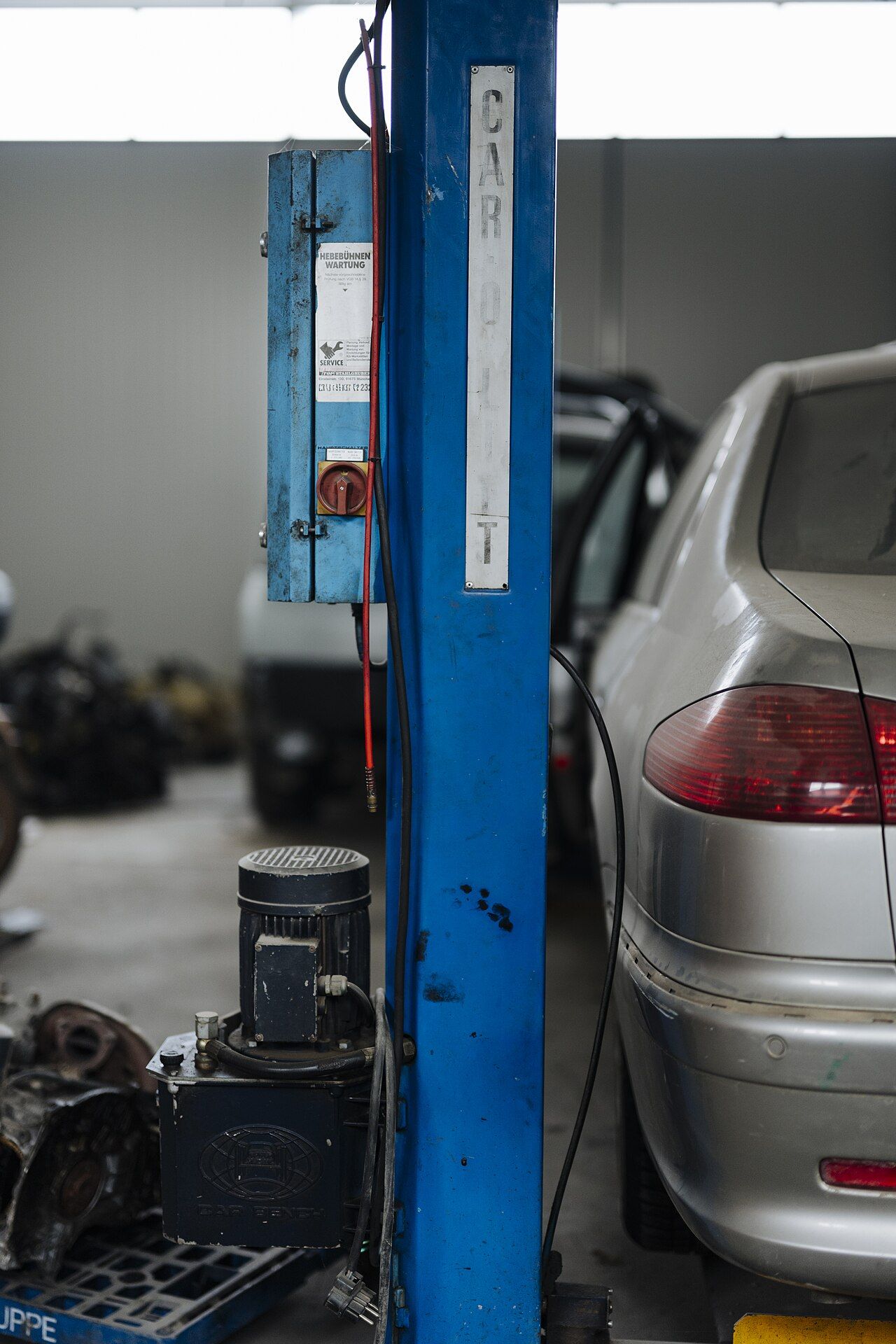
An independent mechanic will put the car on a lift, scan for stored codes, check brake and suspension wear and look for hidden damage. It usually costs $100 to $200 and is the best money you will spend on a used car. If a seller refuses to allow one, walk away.
Questions
Can I trust a dealer’s own inspection? It is a start, but an independent inspection has no stake in the sale.
What if the check engine light is off but codes are stored? A scan can show codes that were recently cleared. A light that was cleared just before a sale is a warning sign.