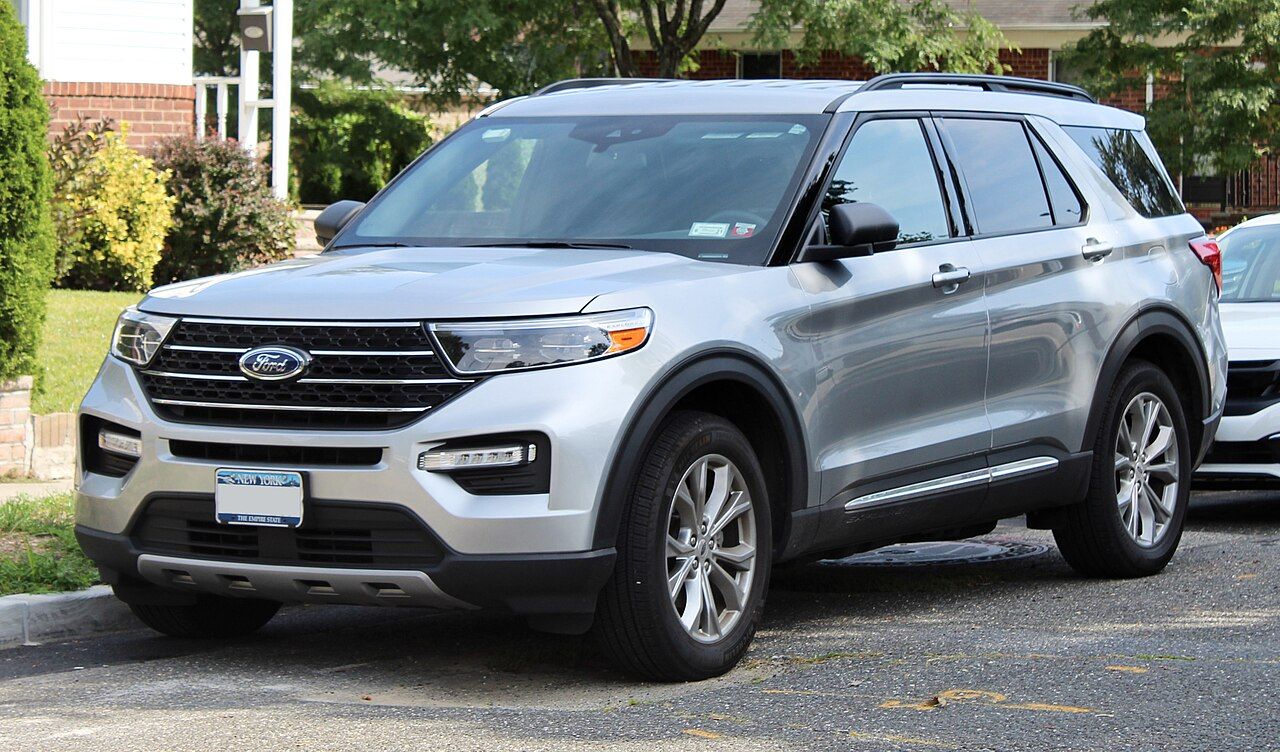
Ford filed two separate recalls for the Explorer in July 2026, one for the current generation and one for the previous one. Both are free to fix, but the final remedies were not ready when the recalls were announced.
Recall 26V451: second-row seats on 2020-2026 Explorers
This recall covers 2020 to 2026 Explorer and 2020 to 2027 Lincoln Aviator models with easy-entry outer seats in the second row. The switch that lets the seat tip and slide forward for third-row access can bind or stick. If it does, the seat may unlatch, tip or slide unexpectedly. A seat that is not latched may not protect its passenger in a crash.
The fix: dealers will inspect the switch bezel and replace it as needed. The repair is being phased in by model and year. Ford sent interim letters in August 2026.
What to do now: after folding or sliding a second-row seat, push and pull it firmly to make sure it has locked. Do not put a child seat in a second-row outer seat that does not lock solidly.
Recall 26V448: roof rail covers on 2016-2019 Explorers
This recall covers 2016 to 2019 Explorers. The plastic covers on the roof rails can come loose and detach while driving, which can create a hazard for vehicles behind.
The fix: dealers will inspect the roof rail covers and repair or replace the push-pins, clips or covers. Ford expects the remedy in January 2027.
What to do now: look at the roof rails. If a cover is lifting, rattling or missing a clip, have it checked sooner.
The Explorer’s record
The Explorer has one of the higher average complaint rates of the models we track. The 2013 to 2016 years drew the most complaints, including power steering failures and exhaust fumes in the cabin, and the 2020 redesign drew more than three times the complaints of the years after it. The 2019 and 2022 are our best picks. See the Explorer page.
Questions
How do I know if my Explorer has easy-entry seats? If the second-row outer seats tip and slide forward with one lever or button, they likely do. The VIN check will confirm.
Are both recalls on the same vehicle? No. One covers 2020 and later, the other 2016 to 2019.