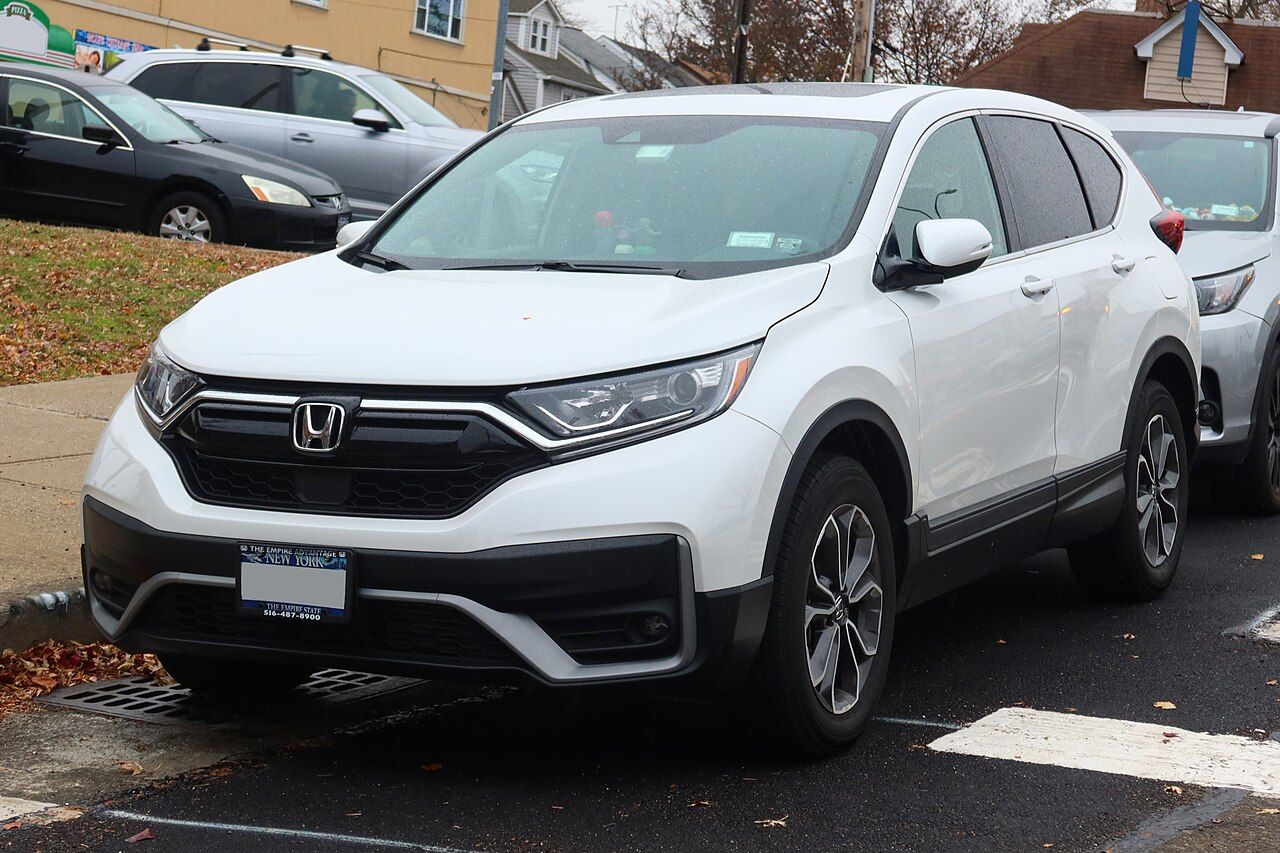
A simple, durable pick from before the turbo
The last year of the non-turbo 2.4L engine drew about half the CR-V's average complaints per car sold. It lacks some newer safety tech, but it avoids the oil problems of 2017-2018, which makes it one of the safest used CR-V buys.
Updated November 2026 · based on 395 owner complaints and 3 recalls
111 51% below the CR-V average
3 free to fix at a dealer
Every CR-V year compared
Owner complaints per 100,000 cars sold. Lower is better. The newest years have had less time to collect complaints, so they are marked too new to judge.
Known problems on the 2016 CR-V
Top problems and what they cost
Shaking at idle
Owners describe vibration through the seats and steering wheel when stopped, which eases once moving.
Fix: Software update or engine mount replacement: about $100 to $600.
Engine
Fuel smell or stalling
A smaller number report a gas smell or hesitation. The 23V858 fuel pump recall covers some of these cars.
Fix: Free under recall; otherwise a fuel pump runs $600 to $1,100.
Fuel system
Battery drain and electrical glitches
Dead batteries and radios or locks acting on their own come up now and then.
Fix: Battery $150 to $250; tracing a drain $100 to $300.
Electrical
Recalls
The reduced performance may result in an engine stall, increasing the risk of a crash.
In the event of a crash necessitating deployment of the driver's frontal air bag, the inflator could rupture with metal fragments striking the driver or othe...
Fuel pump failure can cause an engine stall while driving, increasing the risk of a crash.
Complaints by part
Before you buy a 2016 Honda CR-V
- Confirm the air bag (15V714), engine (17V305) and fuel pump (23V858) recalls show as repaired.A recall is a safety fix the carmaker must do for free, even for later owners. Typing the 17-character VIN (on the dashboard and driver door) into nhtsa.gov/recalls shows any that were never done. Codes like 18V332 are recall numbers.The 2016 CR-V has 3 recalls on record, listed below.
- Let it idle in Drive with your foot on the brake and feel for heavy vibration.Brakes should stop the car straight and quietly. Grinding, pulling or surging means worn parts or a fault in the brake system.19 of the 395 owner complaints about the 2016 CR-V involve the brakes (5%).
- Check the battery date and that the radio and locks behave normally.Many electrical glitches on these cars trace back to a weak 12-volt battery or a failing alternator. A battery older than about four years is worth replacing.64 of the 395 owner complaints about the 2016 CR-V involve the electrical system (16%).
- Listen for a hum from the wheels at highway speed, a sign of worn wheel bearings.A hum or whine that rises with speed often means worn wheel bearings or transmission and axle gears. Turning the radio off makes it easier to hear.45 of the 395 owner complaints about the 2016 CR-V involve the transmission and drivetrain (11%).
Questions
Is the 2016 Honda CR-V reliable?
A simple, durable pick from before the turbo. The last year of the non-turbo 2.4L engine drew about half the CR-V's average complaints per car sold. It lacks some newer safety tech, but it avoids the oil problems of 2017-2018, which makes it one of the safest used CR-V buys.
How many recalls does the 2016 Honda CR-V have?
3 recalls. Recall repairs are free at any Honda dealer, even for later owners. Enter the VIN on the free government recall lookup to see which are still open on a specific car.
What are the most common 2016 Honda CR-V problems?
Shaking at idle; Fuel smell or stalling; Battery drain and electrical glitches.
Crash rating shown for the 2016 Honda CR-V SUV FWD. Repair costs are typical U.S. ranges for parts and labor, not quotes. How we score.