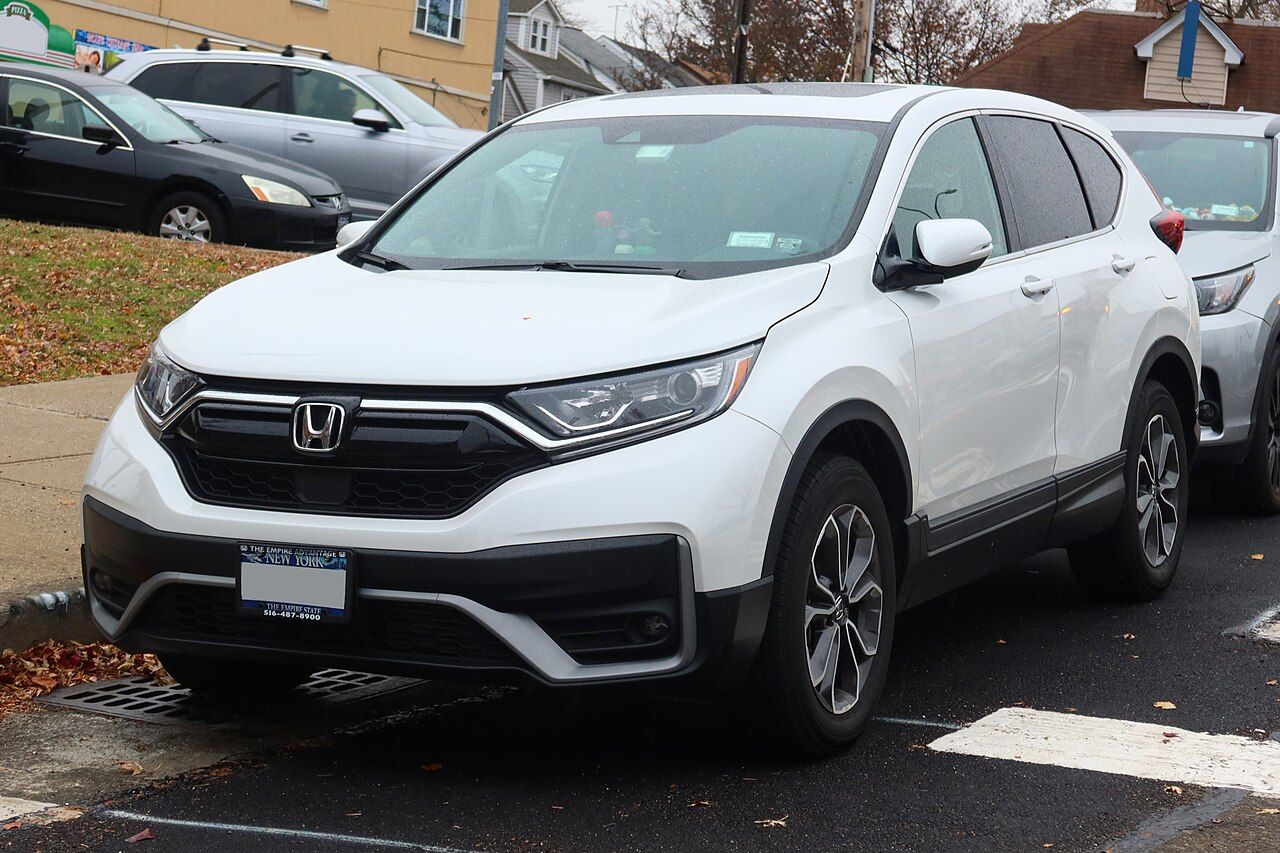
The riskiest CR-V year of the last decade
The first year of the 1.5L turbo has the most engine and electrical complaints of any recent CR-V, with fuel in the oil and dashboards that light up with warnings at once. Unless the price is low and the records are complete, a 2016 or a 2020 to 2021 is the safer buy.
Updated November 2026 · based on 1,781 owner complaints and 7 recalls
471 2.1x the CR-V average
7 free to fix at a dealer
Every CR-V year compared
Owner complaints per 100,000 cars sold. Lower is better. The newest years have had less time to collect complaints, so they are marked too new to judge.
Known problems on the 2017 CR-V
Top problems and what they cost
Fuel getting into the engine oil
Rising oil level, gas smell, misfires and sometimes limp mode. Owners in cold states report it most.
Fix: Software update at a dealer; frequent oil changes at $60 to $90. Severe cases need injector or engine work costing $1,000 to $5,000 or more.
Engine
All warning lights at once
Many owners report the whole dash lighting up (brakes, cruise, collision system) with lost cruise control, often traced to a weak battery or sensor fault.
Fix: Battery test and replacement $150 to $250; sensor diagnosis $100 to $200.
Electrical
Fuel smell and fuel pump failure
Gas smell in the cabin and stalling. Two recalls cover a fuel pipe (17V442) and the fuel pump (23V858).
Fix: Free under recall at any Honda dealer.
Fuel system
Recalls
The unintended steering input reduces vehicle maneuverability and increases the risk of a crash.
If the pipe disconnects, the engine will stall, increasing the risk of a crash.
If the label information can be wiped away, the operator may not be able to refer to the information, possibly resulting in the vehicle being overloaded, whi...
An unlatched seat belt cannot properly restrain the seat occupant during a crash, increasing their risk of injury.
An incorrectly sized tire may cause premature tread wear, or a tire blow out, increasing the risk of a crash.
Fuel pump failure can cause an engine stall while driving, increasing the risk of a crash.
Show all 7 recalls
Air bags that deploy unintentionally during a crash increase the risk of injury.
Complaints by part
Before you buy a 2017 Honda CR-V
- Confirm all 7 recalls show as repaired at nhtsa.gov/recalls, especially 17V442 and 23V858.A recall is a safety fix the carmaker must do for free, even for later owners. Typing the 17-character VIN (on the dashboard and driver door) into nhtsa.gov/recalls shows any that were never done. Codes like 18V332 are recall numbers.The 2017 CR-V has 7 recalls on record, listed below.
- Check the dipstick for a high oil level or gas smell.Knocking, ticking or rattling from the engine, especially when cold, can mean worn bearings, lifters or a stretched timing chain. These are engine-out repairs costing thousands.Owners filed 183 complaints about oil dilution (fuel in the oil) on the 2017 CR-V, one of the worst years for it.
- Start the car cold and watch for a flashing check engine light or rough idle.Warning lights should come on briefly at start and then go out. One that stays on means the car has stored a fault, and a parts store can read the code for free.403 of the 1,781 owner complaints about the 2017 CR-V involve the electrical system (23%).
- Make sure no warning lights stay on after start, and test cruise control on the drive.Warning lights should come on briefly at start and then go out. One that stays on means the car has stored a fault, and a parts store can read the code for free.403 of the 1,781 owner complaints about the 2017 CR-V involve the electrical system (23%).
- Ask how old the 12-volt battery is; weak batteries trigger many of the warning-light faults.Many electrical glitches on these cars trace back to a weak 12-volt battery or a failing alternator. A battery older than about four years is worth replacing.403 of the 1,781 owner complaints about the 2017 CR-V involve the electrical system (23%).
Questions
Is the 2017 Honda CR-V reliable?
The riskiest CR-V year of the last decade. The first year of the 1.5L turbo has the most engine and electrical complaints of any recent CR-V, with fuel in the oil and dashboards that light up with warnings at once. Unless the price is low and the records are complete, a 2016 or a 2020 to 2021 is the safer buy.
How many recalls does the 2017 Honda CR-V have?
7 recalls. Recall repairs are free at any Honda dealer, even for later owners. Enter the VIN on the free government recall lookup to see which are still open on a specific car.
What are the most common 2017 Honda CR-V problems?
Fuel getting into the engine oil; All warning lights at once; Fuel smell and fuel pump failure.
Crash rating shown for the 2017 Honda CR-V SUV AWD. Repair costs are typical U.S. ranges for parts and labor, not quotes. How we score.